Rotorua NOW House – Sustainable Housing Prototype
Innovative, Practical Sustainable Design for Community Housing
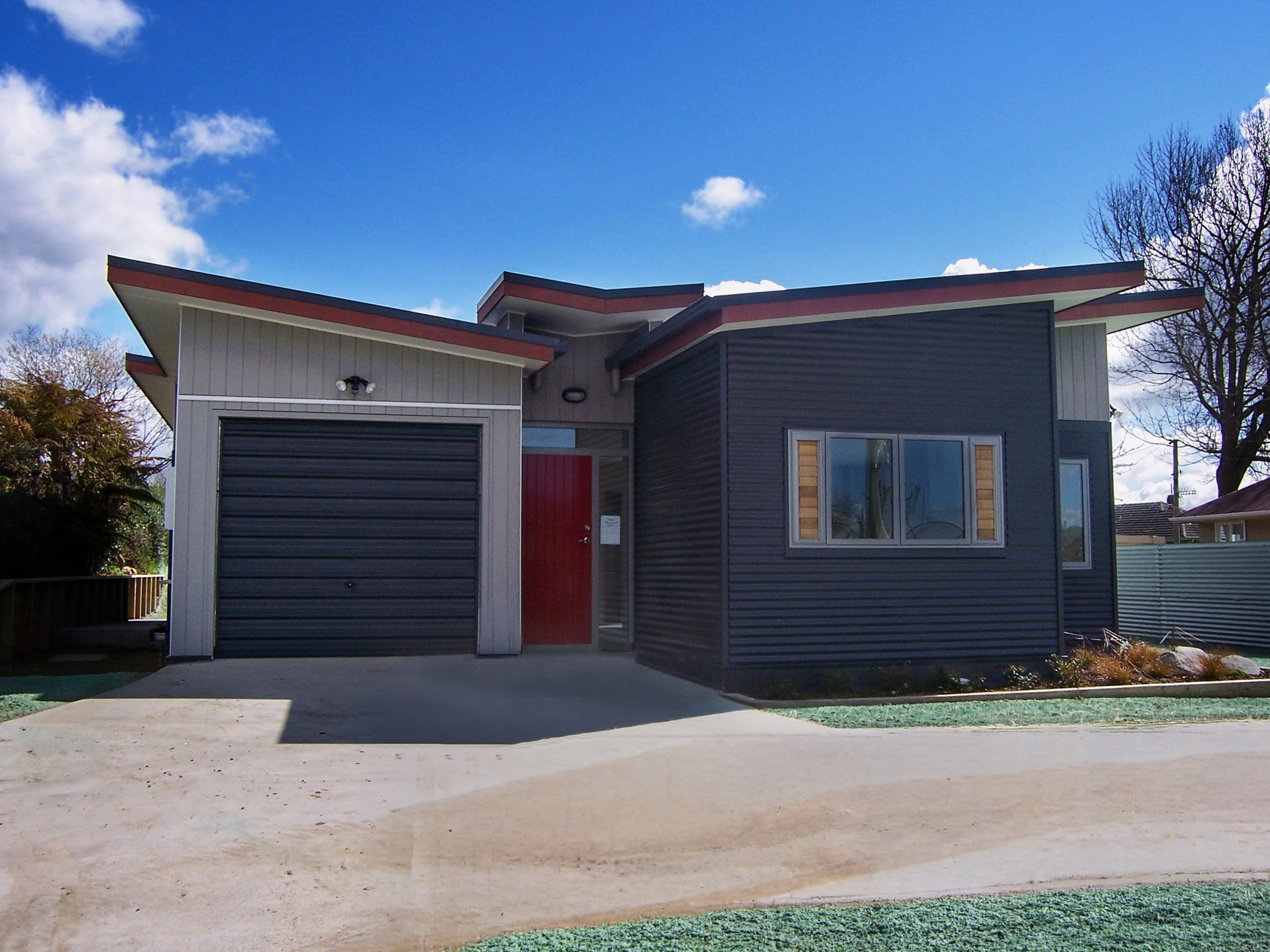
The Rotorua NOW House represents a considered and practical approach to sustainable residential design. Delivered as part of a national initiative led by Beacon Pathway, the project was developed in partnership with Housing New Zealand, now Kāinga Ora, to demonstrate how high-performing, affordable housing can be achieved using accessible construction methods and materials.
Client: Housing New Zealand Corporation (now Kāinga Ora) in partnership with Beacon Pathway
Location: Rotorua, New Zealand
Project Type: Residential / Social Housing / Sustainable Design
Scope: Architectural design and construction management
Design Approach: Passive solar design, low energy performance, and resource-efficient construction
Key Focus Areas: Sustainability, affordability, accessibility, cultural responsiveness, durability
Esse Architects was appointed through a national competition to design and deliver the Rotorua NOW House, taking on both architectural and construction management responsibilities. This dual role was critical in ensuring that the project’s sustainability objectives were realised in practice, particularly in response to performance issues experienced in an earlier iteration of the NOW House delivered by others. Esse Architects was not involved in that previous project.
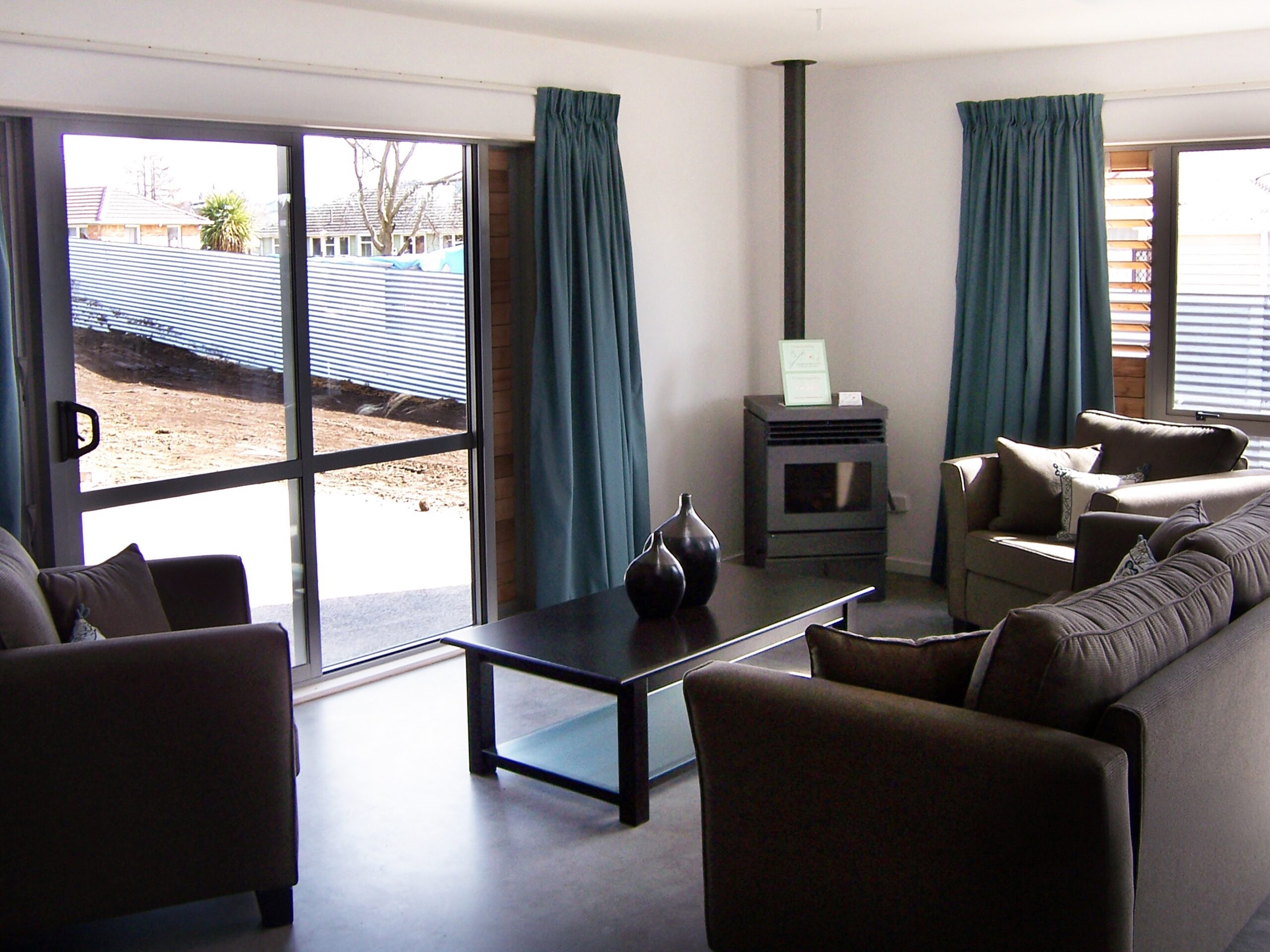
Working closely with Beacon Pathway and a BRANZ environmental scientist, the design focused on delivering a home that was efficient, durable, and adaptable to real-world conditions. The house incorporates passive solar principles, with a north-facing orientation, generous glazing, and thermal mass through a concrete floor to capture and retain heat . High levels of insulation, double glazing, and natural ventilation contribute to a healthier indoor environment and reduced energy demand.
Sustainability outcomes were supported through carbon-conscious material selection, low-emission construction methods, and resource-efficient building practices that minimised waste. Water conservation strategies, including rainwater harvesting and efficient fixtures, further reduced the environmental footprint of the home .
Cultural and social considerations were central to the design. The layout reflects Māori values, with flexible living spaces to support whānau, separation of key functional areas, and strong connections between indoor and outdoor environments . The home was also designed to meet full accessibility requirements, ensuring it could be used by occupants with a range of mobility needs.
The Rotorua NOW House remains a benchmark for integrated sustainable design. It demonstrates how thoughtful architecture, combined with careful delivery and collaboration, can achieve meaningful environmental, social, and economic outcomes in community housing.